

The Role of Color in Casino Atmosphere
Color psychology plays a significant role in casino design, influencing the emotions and behaviors of visitors. Warm colors, such as red and gold, are frequently used to evoke feelings of excitement and energy. These colors stimulate the senses and encourage players to engage with the environment. For instance, the use of red is thought to heighten adrenaline and can lead to increased risk-taking behavior, which casinos rely upon to keep patrons at the gaming tables longer. This careful selection of colors is not merely decorative; it’s a strategic choice aimed at maximizing engagement and enhancing the overall gaming experience, as seen in platforms like 1win , which effectively utilize these principles.
Furthermore, contrasting colors can also guide movement and attention in casinos. Brightly lit areas often highlight gaming tables or slot machines, drawing players towards those focal points. This deliberate use of color not only enhances the aesthetic appeal but also subtly nudges visitors toward spending more time in specific areas. The careful selection of color schemes can create an environment that maximizes player engagement and boosts revenue. For example, the vibrant hues of slot machines can create an inviting atmosphere, prompting players to try their luck even if they initially had no intention of playing.
Ultimately, color is more than just a design element; it plays a crucial role in shaping visitor experiences. By tapping into the psychological effects of different colors, casinos can create an inviting atmosphere that encourages prolonged stays and repeat visits. Understanding the emotional responses generated by colors allows designers to craft layouts that are both visually appealing and strategically effective. This comprehension of color dynamics not only enhances the immediate gaming experience but also contributes to a lasting impression that can influence future patronage.
Layout and Flow: The Journey Through the Casino
The layout of a casino is meticulously planned to create a seamless flow that keeps players engaged. Typically, casinos are designed as open spaces with few barriers to create an illusion of freedom. This design encourages wandering and exploration, allowing patrons to effortlessly flow from one game area to another. The maze-like arrangement often leads to a sense of disorientation, making it easier for visitors to lose track of time and money. This disorientation is an intentional design choice that enhances the immersive experience, ensuring that players remain absorbed in the gaming environment.
Furthermore, pathways are often lined with high-payout machines and popular games, creating natural focal points for players. This strategic placement is intended to guide visitors through the casino, encouraging them to engage with more games than they originally intended. The psychological manipulation fosters a sense of opportunity and excitement, as players encounter new games and potential winnings at every turn, often leading to increased spending. The flow is crafted not just to facilitate movement but to enhance the overall experience, making every corner enticing and filled with possibility.
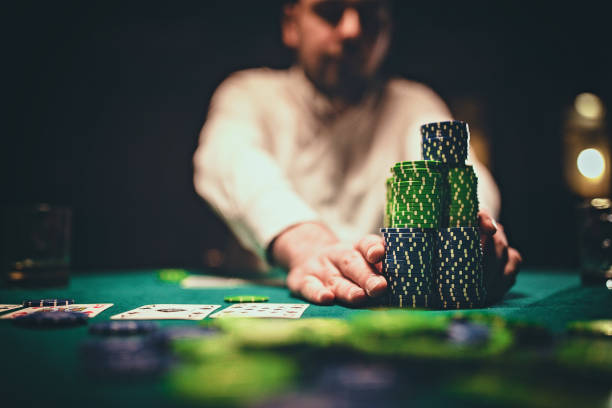
Additionally, the absence of clocks and windows contributes to the immersive experience. By eliminating time cues, casinos effectively erase the outside world, allowing players to focus solely on their gaming experience. This intentional design choice enhances the feeling of timelessness and can lead to extended visits, as patrons remain unaware of how much time has passed. The design encourages players to lose themselves in the thrill of the game rather than in the constraints of time, which can significantly impact their spending behavior and overall engagement.
Soundscapes: The Impact of Audio on Play Behavior
Sound design is another crucial aspect of casino psychology that significantly impacts player behavior. The auditory experience within a casino is carefully curated to create an atmosphere that is stimulating yet comfortable. The sounds of slot machines, the clinking of chips, and the cheers of winners all contribute to an energizing environment that keeps players engaged. These sounds can trigger excitement and anticipation, encouraging individuals to continue playing. The strategic layering of audio elements creates a symphony of sound that enhances the overall experience, making it more immersive and enjoyable.
Moreover, the volume and tempo of the background music are meticulously chosen to enhance the gaming experience. Upbeat, fast-paced music can elevate excitement levels and encourage players to take risks, while softer, more ambient tones can create a relaxed atmosphere, perfect for leisurely table games. This dual approach helps cater to various player preferences, ensuring that each visitor has a uniquely tailored experience that encourages them to stay longer. The auditory environment is designed to resonate with the mood of the players, enhancing their emotional involvement in the gaming process.
Additionally, the sudden sounds of jackpots or winning announcements can create a buzz of excitement among patrons, often leading to a psychological phenomenon known as the “winner effect.” This phenomenon occurs when players feel compelled to join in and try their luck after witnessing someone win, reinforcing gambling behaviors and increasing overall engagement. The strategic use of sound in casinos is thus a powerful tool for enhancing player experience and maximizing revenue. By creating a soundscape that resonates with excitement and anticipation, casinos can significantly influence player behavior and enhance their overall enjoyment.
The Importance of Lighting in Game Attraction
Lighting is a crucial design element in casinos, playing a pivotal role in how games are perceived and experienced. Bright, vibrant lighting is often used to create an energetic atmosphere that attracts players to gaming machines and tables. This illuminating strategy enhances the visual appeal of specific areas, ensuring that high-traffic games stand out and draw in participants. Games positioned under focused lighting naturally receive more attention and can lead to increased playtime. The interplay of light and shadow can create a sense of drama, making the gaming experience more captivating.

Additionally, subtle changes in lighting can create different moods throughout the casino. For example, dimming lights in certain areas can create an intimate setting for high-stakes tables, encouraging serious players to engage in more substantial bets. On the other hand, brighter lights can instill feelings of excitement and warmth, perfect for attracting casual players at slot machines. This dynamic use of lighting is a psychological tactic employed by designers to cater to varying player behaviors and preferences. The conscious manipulation of lighting can significantly influence not just where players go, but how they feel while playing.
Furthermore, the strategic integration of dynamic lighting effects, such as flashing lights and animations on slot machines, further enhances the excitement of the gaming experience. These visual cues are designed to trigger dopamine responses in the brain, reinforcing the pleasure associated with gambling. By understanding the psychological effects of lighting, casinos can effectively design environments that maximize player engagement and potentially increase their revenues. The lighting not only attracts players but also maintains their interest, ensuring that the gaming experience is as thrilling as possible.
Understanding Casino Design Through Psychological Insights
Exploring the psychology behind casino design reveals the intricate strategies employed by operators to optimize player experiences and enhance profitability. By understanding the psychological triggers of color, layout, sound, and lighting, designers can create environments that are not only captivating but also drive player behavior. The integration of these elements demonstrates the complexity of casino design, where every detail is meticulously calculated to create an inviting atmosphere. This understanding goes beyond mere aesthetics and touches upon the deeper motivations and behaviors of players.
Moreover, research into player psychology contributes to the ongoing evolution of casino environments. As designers gain deeper insights into how individuals respond to different stimuli, they continue to innovate and refine their approaches. This commitment to understanding player behaviors is crucial, particularly in an era where competition among casinos is fierce, and the need to stand out is paramount. The ability to adapt to changing player preferences and behaviors can significantly impact a casino’s success and longevity.
In summary, the psychology behind casino design transcends aesthetics; it is about creating an experience that captivates, engages, and entices visitors to return. By employing advanced psychological principles, casinos can foster environments that not only entice new players but also retain existing ones, ultimately contributing to sustained business success. Understanding these dynamics is essential for anyone interested in the gaming industry as they underscore the importance of design in shaping player experiences. The interplay of psychology and design is a testament to the art and science behind creating a successful gaming environment.

Sorry, the comment form is closed at this time.