

The Nature of Chance in Gambling
The concept of luck in gambling is deeply embedded in the culture surrounding casinos. Many players enter these establishments believing that their fortune lies in the next spin of the wheel or the next hand of cards. However, this perception overlooks the fundamental mechanics of gambling games, which are often rooted in probability and statistical laws, especially when it comes to top sites like 1win that offer various options for betting. While players may experience streaks of good or bad luck, the reality is that the outcome of most games is influenced by predetermined odds, which can significantly alter the playing field.
For instance, in games like blackjack, skill plays a pivotal role alongside luck. Players who understand basic strategy can lower the house edge, making their chances of winning more favorable compared to those who rely solely on fortune. Similarly, slot machines might seem entirely random, but they operate on complex algorithms that ensure the house always maintains an advantage. This combination of luck and strategy highlights that while luck is an element, it is not the sole determinant of success in casinos.
Moreover, players often misinterpret the short-term variance in results as a reflection of long-term probabilities. While one might hit a jackpot on a slot machine one night, statistically, the odds are still firmly established that, over time, the machine will payout less than it takes in. The excitement of winning can create a false narrative of luck dominating the scene, obscuring the reality that casinos are built on carefully calculated odds and expected values. Understanding this distinction is crucial for players who wish to navigate the gambling landscape more effectively.
The House Edge: A Statistical Perspective
Every game in a casino has a built-in advantage for the house, often referred to as the “house edge.” This percentage represents the average gross profit the casino expects to make from every game. Understanding this concept is crucial for players because it illustrates how, over time, the odds are structured to favor the casino and not the player. In games like roulette, the house edge is around 5.26% for American roulette, meaning that, on average, players will lose about $5.26 for every $100 wagered, highlighting the long-term expectation rather than short-term luck.
This house edge varies significantly across different games and betting strategies. For example, in blackjack, skilled players can achieve a house edge as low as 0.5% using optimal strategies. Conversely, games like keno can have house edges exceeding 25%, reflecting a drastic variance in expected outcomes. Understanding these odds can help players make more informed decisions about where to place their bets and assess their risk versus reward effectively.
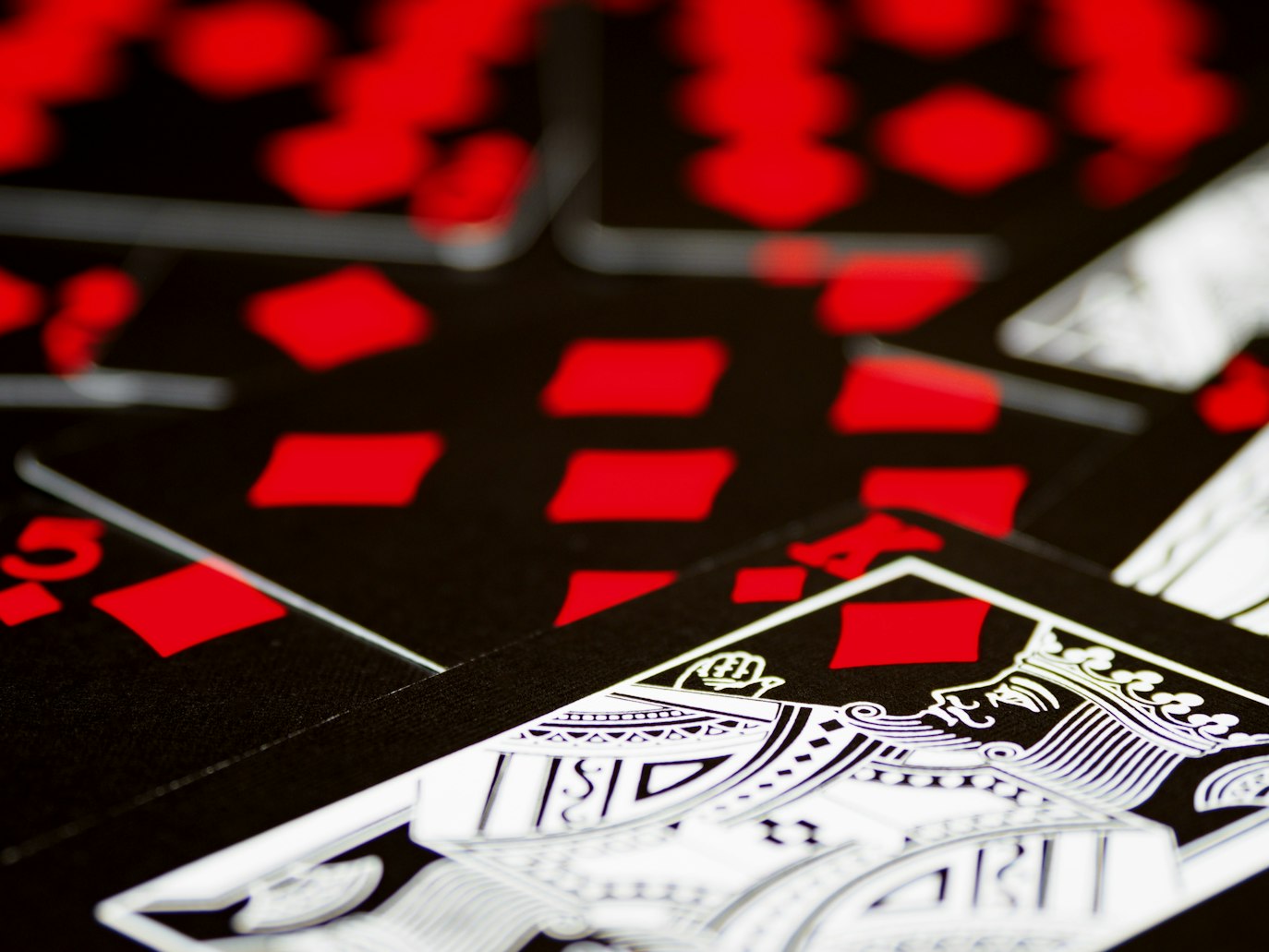
Additionally, it’s essential to recognize that the house edge doesn’t guarantee instant losses. Players can and do experience winning streaks, which can lead to a perception that they are playing with luck. However, this is merely a statistical anomaly. The house edge ensures that, over time, the casino will remain profitable, thus emphasizing that while luck can influence short-term outcomes, the long-term results are determined by mathematics and probability. This knowledge can empower players to engage with games more strategically, focusing on long-term enjoyment rather than fleeting wins.
The Role of Gambling Strategies
While the outcomes of casino games are ultimately influenced by the laws of probability, players often employ various strategies in an attempt to enhance their chances. These strategies can range from betting systems like the Martingale method to employing skillful tactics in games like poker and blackjack. While some of these approaches may appear to harness luck, they primarily seek to minimize losses or exploit favorable conditions that arise during play. Understanding these strategies can provide players with an edge in specific games.
For example, in poker, understanding opponent behavior, calculating pot odds, and managing one’s chips wisely can significantly increase the potential for success. Unlike games of pure chance, poker offers an element of skill that can outweigh the role of luck, particularly in the hands of experienced players. Therefore, while luck still plays a part in poker, the strategic component allows for greater control over outcomes, standing in stark contrast to more random games like slots, where strategies are less applicable.
Moreover, casinos frequently engage in games designed to attract players through promotional strategies such as bonuses or loyalty programs. These promotions can create an illusion that luck is a significant factor in the gaming experience, when, in fact, they are simply incentivizing more gambling under the guise of favorable odds. Ultimately, while strategies can influence outcomes to some extent, the reality is that they are often subject to the overarching principles of probability and risk management established by the game mechanics themselves. This underscores the importance of players approaching gambling with a balanced perspective on luck and strategy.
The Psychological Aspect of Luck
The psychology of luck in gambling plays a critical role in how players perceive their experiences in casinos. Many gamblers experience cognitive biases that lead them to attribute their wins to skill and their losses to bad luck. This skewed perception can result in the gambler’s fallacy, where individuals believe that past events will influence future outcomes in a random game, such as thinking a particular number is “due” to come up in roulette after a series of misses. Recognizing these biases is essential for making rational decisions when gambling.
Additionally, the thrill of the gamble is often tied to the emotional highs and lows associated with winning and losing, reinforcing the belief in luck. Players may remember their wins more vividly than their losses, creating a false sense of being in control. This psychological phenomenon can lead individuals to chase losses or make riskier bets, fundamentally altering their approach to gambling. Understanding these psychological influences can help gamblers make more rational decisions and potentially reduce the volatility of their playing experience.
Furthermore, the design of casino environments plays a significant role in perpetuating the feeling of luck. Bright lights, sounds of jackpots, and the excitement of table games all create an atmosphere conducive to the belief that anyone can win at any moment. This environment can enhance the illusion of luck while masking the underlying odds that govern the games. Players who can recognize these psychological traps stand a greater chance of enjoying their experience while being mindful of the true nature of gambling, thereby enhancing their overall enjoyment.
Conclusion and Insights on Casino Gaming
In conclusion, the question of whether casinos are truly luck-based reveals a complex interplay of chance, strategy, and probabilities. While luck undeniably influences outcomes in the short term, the long-term success of casinos is firmly rooted in statistical principles and the house edge. Understanding these elements can empower players to approach gambling with greater knowledge, enabling them to make informed decisions that align with their risk tolerance and gaming objectives. This awareness fosters a more satisfying gaming experience.
Furthermore, acknowledging the psychological aspects of gambling helps players recognize the potential for cognitive biases and emotional traps that can lead to less favorable outcomes. A well-rounded approach that combines a clear understanding of odds, sound strategies, and awareness of psychological influences can greatly enhance the gambling experience. Ultimately, the most satisfying approach is one that balances enjoyment with responsibility, ensuring that gambling remains a fun pastime rather than an overwhelming obsession.
As players navigate the complex world of casinos, they should remain vigilant about the interplay of luck and skill. By understanding the odds and employing effective strategies, they can mitigate losses while maximizing their enjoyment. This balanced perspective allows for a more enjoyable experience in casinos, where the thrill of the game can be appreciated without falling prey to the pitfalls of misunderstanding the nature of luck and probability.

Sorry, the comment form is closed at this time.